Key takeaways
- Supplemental brakes reduce stopping distance and brake wear.
- Look for breakaway protection.
- Required in most states and provinces, with different weight thresholds.
Why you need one
Motorhome brakes are designed to stop the motorhome, not the extra weight of a towed vehicle behind it. Without help, the towed vehicle pushes on the back of the coach during hard braking. Chassis ratings for the combined weight, known as GCWR, are generally based on the assumption that a supplemental braking system is in use.
In one published test reported by Family RVing magazine, a medium-size towed car increased the combined stopping distance from 137 feet to 209 feet without supplemental braking. Results vary by setup, but the point is clear: extra brakes can make a real difference in an emergency stop.
Common types of systems
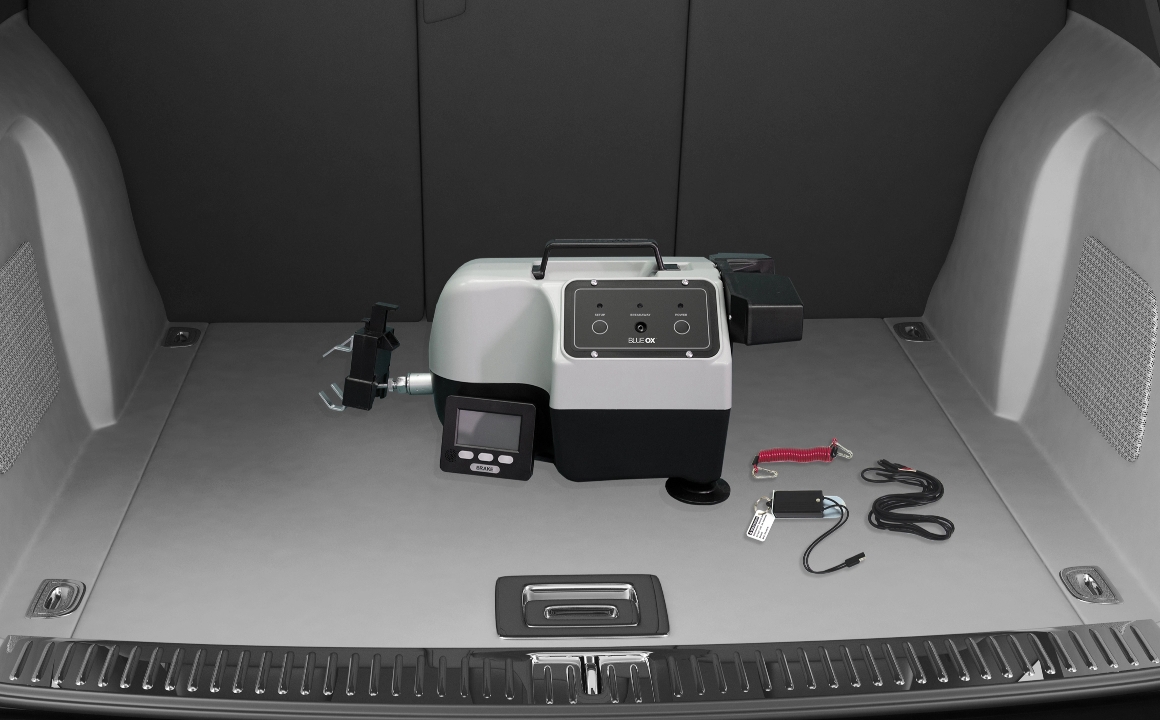
- Portable proportional systems: a unit placed in the towed vehicle that senses braking and applies the brake pedal in proportion.
- Permanently installed systems: hardware installed in the towed vehicle, often with a cleaner look and less setup each trip.
- Surge systems: built into the tow bar and sense the forward push of the towed vehicle when the motorhome slows.
Features and compatibility vary, so confirm the system works with your motorhome and towed vehicle.
Breakaway protection
A breakaway feature uses a cable. If the towed vehicle separates, the cable pulls a switch and the system applies the towed vehicle's brakes to help bring it to a stop. Many states and provinces expect or require this. See safety cables and breakaway systems.
How to choose
- Works in your motorhome and your towed vehicle
- Includes breakaway protection
- Provides a monitor or indicator in the motorhome, if desired
- Fits your installation comfort level (portable vs installed)
- Meets the legal requirements where you travel
Test it before you roll
Have a helper press the motorhome brake while you watch the towed vehicle's system engage, and test the breakaway function periodically according to the manufacturer's directions.
Frequently asked questions
Do I need a braking system if my towed car is light?
Laws and chassis ratings vary. Regardless of the legal minimum, a towed vehicle behind a motorhome should have supplemental braking.
Do portable systems work in any vehicle?
Many are designed to work in a wide range of vehicles, but check compatibility, especially for vehicles with unusual brake pedals or power brake systems.
Does it affect my RV warranty?
Some manufacturers expect supplemental braking when towing. Check your motorhome warranty and chassis documents.
This page is general information. Always follow your vehicle owner's manual, equipment instructions, and the laws of the states and provinces you travel through.